Strategic Branding Professionals Deliver Powerful Marketing Success for Businesses

Strategic branding professionals help businesses build stronger recognition, improve customer trust, and create lasting market value through creative promotional methods. Their expertise supports consistent communication, attractive brand presentation, and effective audience engagement. Businesses that invest in professional branding strategies often experience better visibility, stronger customer relationships, and improved long-term growth opportunities.

Building a Strong Brand Identity

A well-developed brand identity helps businesses stand out and communicate their values clearly. Branding professionals focus on creating memorable impressions that encourage customer loyalty and confidence.

Important elements of brand identity include:

  • Consistent visual presentation
  • Clear communication strategies
  • Unique business messaging
  • Professional promotional materials
  • Strong emotional connection with audiences
  • Reliable customer experiences
  • Attractive content development
  • Consistent tone across campaigns

These elements help businesses maintain recognition while encouraging stronger customer engagement over time.

Improving Marketing Performance

Marketing Agencies

Professional branding strategies strengthen marketing campaigns by improving communication and increasing audience interest. Businesses benefit from organized promotional plans that deliver consistent and measurable results.

Effective marketing improvements may include:

  • Better audience targeting
  • Stronger customer interaction
  • Improved campaign consistency
  • Increased customer retention
  • Higher engagement rates
  • More effective promotional planning
  • Enhanced public perception
  • Greater competitive advantage

Strategic professionals carefully analyze customer behavior and market trends to create campaigns that connect with audiences in meaningful ways.

Encouraging Long-Term Business Growth

Branding specialists support sustainable business development by creating marketing strategies that remain effective over long periods. Consistent branding helps businesses maintain trust and improve customer confidence.

Long-term growth advantages include:

  • Stronger market credibility
  • Better customer loyalty
  • Increased repeat business
  • Improved communication strategies
  • Higher customer satisfaction
  • More positive audience perception
  • Better promotional adaptability
  • Greater business stability

Businesses with strong branding often attract wider audiences while maintaining consistent customer relationships.

Creative Approaches That Inspire Results

Creative branding techniques help businesses present their products and services in more engaging ways. Strategic professionals develop fresh ideas that improve visibility and encourage stronger audience attention.

Creative branding methods may involve:

  • Engaging visual storytelling
  • Interactive promotional campaigns
  • Audience-focused messaging
  • High-quality content creation
  • Consistent communication planning
  • Memorable advertising concepts
  • Positive customer engagement strategies
  • Professional campaign coordination

Many businesses achieve stronger promotional success when experienced professionals apply innovative techniques to marketing efforts. Effective campaigns often become even more impactful when businesses collaborate with experienced teams such as CARAMBA Media during promotional planning and branding development.

Strengthening Customer Relationships

Strong branding builds trust between businesses and customers. Professional marketing strategies encourage consistent communication, helping audiences feel more connected and valued.

Relationship-building benefits include:

  • Improved customer confidence
  • More meaningful communication
  • Stronger audience loyalty
  • Increased positive feedback
  • Better customer retention
  • Enhanced brand reputation
  • Greater customer satisfaction
  • Long-lasting business relationships

Strategic branding professionals continue to play an important role in helping businesses achieve marketing success through creativity, consistency, and audience-focused promotional strategies. Their expertise supports stronger visibility, positive customer experiences, and lasting business growth.

What Goes Into a Great Metal Card Design (Before You Spend a Dollar)

A metal card is a weird little object. It’s tiny, it’s heavy, and it can signal “premium” faster than almost anything you can hand to someone.

Or it can look like an overbuilt business card that scratches itself to death in two weeks.

The difference usually isn’t “better art.” It’s decisions made before you ever send a file to a vendor: what the card is supposed to do, what it’ll be abused by (keys, pockets, UV, salt air), and what you’re willing to trade in cost, weight, and durability.


 Start with goals, not gradients

Most metal card projects fail because nobody agrees on the win condition.

If it’s a VIP membership card, success might be “gets shown at the door without staff squinting.” If it’s a sales tool, success might be “people actually keep it.” For an access credential, success can be brutally simple: scan rate and failure rate.

Here’s a simple framework I’ve used that doesn’t turn into a spreadsheet novel:

Pick 1 primary job: impress / authenticate / unlock / drive response

Pick 2, 4 metrics you can track: RSVP rate from card recipients, redemption rate, check-in time, scan failure %, retention by cohort

Assign an owner + a date: otherwise it’s just vibes

Now, this won’t apply to everyone, but if you can’t measure anything, lean into what metal does best: permanence and tactile branding. A strong metal card design should support that goal from the start, because engraving beats “pretty printing” in the long run.

One more thing: establish a baseline before rollout. The card can’t “increase retention” if you never knew your retention.


 Hot take: weight is a feature, not a flex

If your metal card doesn’t feel meaningfully different from plastic, you paid for novelty, not impact.

And yes, too heavy is a thing. A card that feels like a pocket pry bar gets left at home. The sweet spot, in my experience, is “noticeably substantial” without punishing wallets and cardholders.
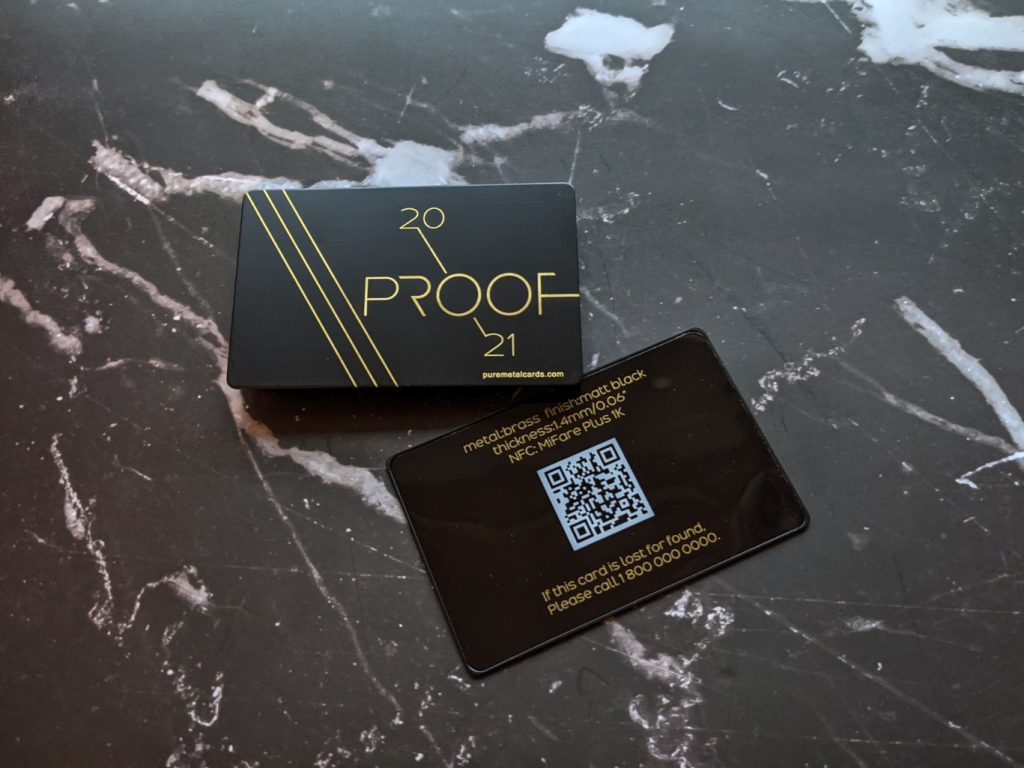
metal card design

 Base metals (how they behave in real hands)

Stainless steel: tough, corrosion resistant, “serious” feel. Great for engraving.

Brass: warm, premium, ages visibly (patina can be gorgeous or annoying depending on brand).

Aluminum: light, easier to anodize in bold colors, dents easier than people expect.

Copper: striking, but fingerprints and oxidation are constant companions (some brands love that story).


 Thickness: small numbers, big consequences

0.8 mm can feel sleek and modern.

1.0, 1.2 mm usually reads as “premium” without being ridiculous.

Go thicker only if you’ve tested wallet fit and you actually want that chunky presence.

Also: tolerance specs matter more than designers think. If your vendor can’t hold edges cleanly at your chosen thickness, you’ll see chipping, uneven bevels, or coatings that break at corners.


 Finishes & coatings: the “longevity layer” you don’t see in mockups

Look, the finish is the product. The layout is just riding on it.

Glossy polished metal looks amazing in renderings and atrocious under overhead office lighting if you’re trying to read small type. Matte and brushed finishes photograph well and hide fingerprints. But they can soften contrast if you don’t plan the engraving depth and spacing.

A quick practical map:

Brushed + deep engraving: legible, durable, hides wear nicely

Polished + shallow marks: dramatic but fussy; scratches show up fast

Matte clear coat: reduces glare, can improve perceived quality if done right

Anodized color (often aluminum): strong color permanence, but edges can reveal wear if not protected

Now, coatings are chemistry, not magic. If you want color stability, UV resistance is real, measurable, and boring (which is good). One relevant data point: the National Renewable Energy Laboratory has published extensive outdoor exposure work showing UV is a primary driver of polymer degradation over time, impacting gloss retention and color shift in many coatings. Source: NREL, Outdoor exposure and weathering testing publications (nrel.gov).

That doesn’t mean your card will live outdoors. It means clear coats and inks have a lifespan, and sunlight in a car is harsher than people assume.


 Logo, type, and color: stop designing metal like it’s paper

Metal is reflective. It has grain. It catches light in motion. That changes everything.


 Typography (the part everyone underestimates)

Thin fonts that look elegant on screen can collapse on a brushed surface. Tight kerning becomes a smear when light hits at an angle. If the card has to be read quickly at arm’s length, you want sturdy letterforms, slightly more spacing than usual, and a hierarchy that doesn’t rely on color alone.

I’ve seen this work repeatedly:

– Increase type size one step beyond what feels “minimal”

– Add breathing room around engraved text

– Use weight contrast (bold vs regular) rather than micro-size differences


 Logo translation: pick what you want to “feel”

Embossing gives you tactile identity. Laser engraving gives you precision. Etching can add personality, but it can also add noise. The trick is restraint: one hero element that catches light, one supporting texture, and everything else stays clean.

Color on metal is also not “color.” It’s contrast plus reflectivity. A deep black on brushed steel reads different than black on anodized aluminum, and both read different under warm indoor lighting. Prototype under at least three conditions: daylight, office LEDs, and dim warm light.


 Printing methods & edge finishes (this is where durability gets decided)

Some cards die at the surface. Others die at the edges.


 Printing methods, bluntly

Laser engraving is the durability king for text, logos, and serials because there’s no ink layer to rub off. If you need photographic full color, you’re entering trade-off territory: you can get gorgeous gradients, but abrasion will eventually win unless the protective system is excellent.

Here’s the thing: a “perfect” print method isn’t perfect if the card lives next to keys. Your environment decides the spec.


 Edge finishing: boring detail, massive payoff

Edges take the first hit. Always.

A clean bevel or radius reduces chipping, snagging, and that cheap “sharp sheet metal” feel. If you want the card to glide in and out of wallets without wearing through coating at corners, you plan the edge early, not after the artwork is approved.

I’m opinionated here: if the vendor can’t show consistent edge samples, don’t trust them with your premium project. Edge consistency is a proxy for process control.


 Magnetic vs non-magnetic: cool feature, hidden problems

Do you need magnetic behavior, or do you just like the idea?

Magnets can make display and attachment easy. They can also complicate everything: added thickness, constraints on material choice, potential interference with sensitive items, and finishing challenges near embedded components.

Non-magnetic options tend to be simpler to produce cleanly, with broader finishing compatibility and fewer “surprises” in QA. If your card needs to work with readers, dispensers, sleeves, or wearables, simpler is often smarter.

If you’re integrating electronics, treat shielding, placement, and seam integrity like engineering problems (because they are), not design flourishes.


 Real-world use: pockets, pouches, lanyards, and regret

People don’t carry cards like museum pieces. They carry them like clutter.

A metal card that looks pristine in the box can get micro-scratched in a single day if it rides in a pocket with coins or keys. If that matters, you either choose a finish that hides wear, or you provide a storage solution that people will actually use (that second part is harder).

One-line truth:

A premium card with a cheap sleeve feels like a prank.

Think through:

– Wallet slot fit (thickness + edge radius)

– Fingerprint behavior (polished surfaces will betray you)

– Lanyard or wearable mounting (holes, slots, clips change stress points)

– Labeling and organization if users carry multiple cards

And test it. Not theoretically. Physically. I’ve watched teams approve designs that were gorgeous, then discover the card didn’t slide into common holders without scraping the edges.


 Budget, timeline, vendor selection (the grown-up part)

If you want fewer mistakes, pay for prototypes. Every time.

Set your budget by phase, not by wish:

– Design + prepress

– Prototype round(s)

– Tooling (if required)

– Production

– QC + packaging

– Shipping + buffer for rework

Timelines also break in predictable places: sampling, finish matching, and QA. Rush fees exist because the slow parts are real.

When picking a vendor, I care less about their marketing photos and more about their answers to annoying questions:

– What tolerances can you hold on thickness, corners, and bevels?

– Which finishes do you warranty against fading or peeling?

– Can you show samples that are one year old (handled, not stored)?

– What happens when a batch fails QC?

– Do you have documented material certs if I need them?

If they get defensive, walk.

If they’re transparent, you’ve probably found a partner.

A great metal card is designed twice: once for how it looks on a screen, and again for how it lives in the real world, scraped edges, fingerprints, harsh lighting, and all. That second design is the one people remember.


Industrial Equipment Efficiency Relies On Trusted Pneumatic Components

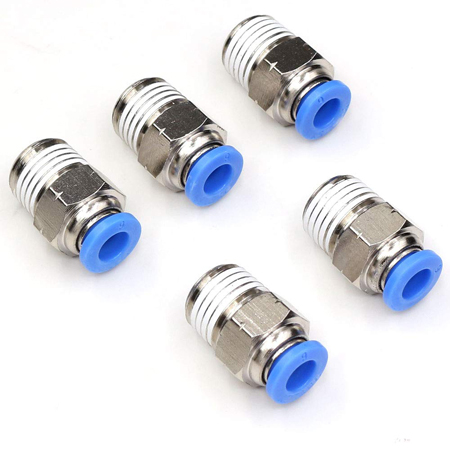
Industrial equipment performs at its best when supported by reliable pneumatic components that deliver consistent motion, control, and power. These essential parts help maintain smooth operations, improve productivity, and support long-term equipment performance. By selecting dependable pneumatic solutions, industries can achieve greater efficiency while reducing operational interruptions.

The Importance of Pneumatic Components

Pneumatic components play a vital role in many industrial systems because they help control airflow and mechanical movement with precision.

pneumatic component

Key advantages include:

  • Consistent operational performance
  • Smooth and controlled equipment movement
  • Improved production efficiency
  • Enhanced reliability across applications
  • Reduced maintenance requirements
  • Better process stability
  • Increased equipment lifespan

When quality components are integrated into industrial systems, businesses can experience dependable and repeatable results.

Supporting Equipment Performance

Trusted pneumatic components contribute directly to overall equipment effectiveness. Their ability to maintain accurate pressure and controlled movement helps machinery operate efficiently throughout demanding production cycles.

Benefits include:

  • Faster response times
  • Accurate motion control
  • Stable operating conditions
  • Improved workflow continuity
  • Reliable system functionality
  • Enhanced production consistency
  • Reduced mechanical stress

These advantages help equipment maintain peak performance while supporting continuous operations.

Features That Improve Efficiency

Modern pneumatic solutions are designed with features that support industrial productivity and operational excellence.

Important features include:

  • Durable construction materials
  • Efficient airflow management
  • Precision-engineered internal mechanisms
  • Reliable sealing performance
  • Consistent pressure regulation
  • Smooth actuation capabilities
  • Long service life

Many organizations also review technical resources and product information through https://www.hebaiele.com/ru/ when evaluating pneumatic component solutions for various industrial applications.

Benefits for Industrial Operations

Reliable pneumatic systems help create productive work environments by ensuring equipment functions efficiently and consistently.

Operational benefits include:

  • Increased production output
  • Improved process accuracy
  • Better equipment utilization
  • Reduced downtime
  • Enhanced operational reliability
  • Consistent product quality
  • Greater workplace efficiency

These improvements allow industrial facilities to maintain strong performance while supporting growth objectives.

Choosing Trusted Components

Selecting high-quality pneumatic components is an important step toward achieving long-term operational success.

Factors to consider include:

  • Performance consistency
  • Durability under demanding conditions
  • Efficient energy utilization
  • Reliable pressure control
  • Ease of maintenance
  • Compatibility with equipment systems
  • Long-term operational value

Careful component selection helps ensure dependable equipment performance and supports efficient industrial processes.

Conclusion

Industrial equipment efficiency relies heavily on trusted pneumatic components that provide precision, reliability, and durability. Their contribution to stable operations, improved productivity, and enhanced equipment performance makes them an essential part of modern industrial systems. By investing in dependable pneumatic solutions, organizations can achieve smoother workflows, higher efficiency levels, and long-lasting operational success while maintaining consistent performance across a wide range of industrial applications.

Weight Distribution Mechanics in Telescopic Aluminum Curtain Poles

Aluminum Alloy Curtain Hardware
Let’s be honest: nobody buys a curtain pole thinking about physics. You pick it up, you install it, you hang the drapes, and you hope it doesn’t sag. But if you’ve ever wrestled with a flimsy rod that bows in the middle or watched your heavy blackout curtains slowly drag the brackets off the wall, you know the real culprit isn’t your installation skills. It’s the weight distribution mechanics. And in telescopic Aluminum Alloy Curtain Hardware poles, this is where the magic—or the disaster—happens.

Most people assume a pole is a pole. It’s a tube. It holds fabric. Wrong. The genius of a well-engineered telescopic aluminum pole lies in how it manages the forces acting on it. When you extend a pole, you’re essentially creating a cantilever system at each joint. The locking mechanism isn’t just there to keep the length steady; it’s the critical point where load transfers from one section to the next. A cheap pole uses a thin-walled aluminum tube with a simple twist-lock that relies on friction alone. That’s a recipe for collapse. The moment you hang a heavy velvet curtain, the weight pulls downward, creating a bending moment that concentrates stress right at the joint. Friction gives up. The pole droops, the brackets groan, and you’re left cursing your purchase.

Now, here’s where premium telescopic aluminum poles separate themselves from the pack. The best designs use a multi-stage wall thickness strategy. The base section is thicker, often with a reinforced inner sleeve, to handle the highest bending stress near the bracket. As you telescope outward, each subsequent section is slightly thinner—but crucially, the overlap length at each joint is calculated to distribute the load evenly. This isn’t guesswork. It’s engineering. The locking cams are machined with precision grooves that bite into the aluminum, creating a mechanical lock that resists both rotational slippage and vertical shear. The result? A pole that can support up to 50 pounds of fabric without a hint of sag, even at full extension.

But let’s talk about the real game-changer: the center support bracket. Many telescopic poles come with a single bracket in the middle, but that’s a band-aid, not a solution. A truly advanced system integrates a hidden load-bearing rib inside the pole at the exact midpoint. This rib transfers the downward force directly to the bracket, bypassing the weakest part of the telescopic joint. Think of it as a backbone inside the tube. Combined with a tapered locking cone at the end of each section, the pole becomes a single, rigid unit rather than a series of wobbly segments.

For the marketing-minded reader, here’s the takeaway: your customers don’t care about torque or shear stress. They care about whether the pole will hold their curtains without looking like a sad smile. When you sell a telescopic aluminum pole, sell the confidence. Sell the fact that the weight distribution mechanics have been stress-tested to handle uneven loads, thermal expansion, and the occasional tug from a child or pet. Sell the fact that the locking mechanism won’t slip after six months of daily use. Sell the fact that the pole doesn’t just extend—it extends with integrity.

In a market flooded with cheap options, the pole that wins is the one that understands physics. Not as a buzzword, but as a promise. Weight distribution isn’t a feature. It’s the difference between a pole that works and a pole that works for years. Make that your story.

HIP เครื่องสแกนนิ้ว Control Systems Simplify Secure Entry Operations

HIP access control systems create a smarter and more organized way to manage entry points across different environments. These systems improve safety, reduce manual work, and support smooth movement for authorized individuals. With advanced authentication methods and automated permissions, they help maintain secure operations while improving convenience for users and administrators alike.

Improved Security Management

HIP access control systems strengthen security through controlled and monitored access. Every entry attempt can be verified, recorded, and managed with accuracy.

Key security advantages

  • Prevent unauthorized entry attempts
  • Restrict access to sensitive areas
  • Support real-time monitoring of movement
  • Reduce dependency on physical keys
  • Improve visitor management procedures
  • Minimize security gaps caused by lost credentials
  • Enable quick response during emergencies

Automated authentication methods also provide better consistency compared to traditional manual security methods.

Faster and More Convenient Entry

Modern access control solutions simplify daily operations by reducing delays at entry points. Authorized users can enter designated areas quickly without complicated procedures.

Features that improve convenience

  • Quick identity verification
  • Contactless access options
  • Reduced waiting time at entrances
  • Smooth movement during busy hours
  • Easy credential updates
  • Flexible access scheduling
  • Simplified multi-door management

This streamlined process improves productivity and creates a more efficient environment for both employees and visitors. Organizations strengthen access control systems using เครื่องสแกนหน้า HIP for fast, accurate, and contactless identity verification processes daily.

Better Administrative Control

HIP access control systems provide administrators with centralized control over permissions and access activity. Managing entry rights becomes faster and more organized.

Administrative benefits

  • Easy addition or removal of user permissions
  • Detailed access history records
  • Simplified role-based access assignment
  • Faster security updates
  • Reduced paperwork and manual tracking
  • Better visibility of entry activities
  • Efficient management of temporary access rights

Centralized management also helps maintain consistent security standards across multiple entry points.

Enhanced Operational Efficiency

Automated entry systems reduce repetitive manual tasks and support smoother day-to-day operations. Staff members can focus on important responsibilities instead of handling physical access procedures.

Efficiency improvements

  • Reduced administrative workload
  • Faster onboarding for new users
  • Lower maintenance requirements for physical keys
  • Improved coordination between departments
  • Simplified shift-based access management
  • Reduced operational interruptions
  • Better time management across facilities

These advantages contribute to a more productive and organized workflow.

Scalable and Flexible Solutions

HIP access control systems can adapt to changing operational requirements. Whether managing a small facility or a larger environment, the system can grow with evolving security needs.

Flexible capabilities

  • Support for multiple user groups
  • Adjustable permission levels
  • Easy expansion for additional entry points
  • Custom scheduling options
  • Integration with broader security procedures
  • Adaptable authentication methods
  • Efficient handling of temporary or seasonal access needs

This flexibility makes the system suitable for long-term operational planning.

Conclusion

HIP access control systems simplify secure entry operations by combining safety, efficiency, and convenience into a single solution. Their ability to automate access management, improve monitoring, and support organized administration creates a more secure and productive environment. With flexible features and reliable performance, these systems help maintain smooth operations while supporting modern security expectations.

Custom Online Store Platforms Tailored For Unique Brand Requirements

Custom online store platforms are becoming a powerful solution for businesses that want to build a strong digital presence while reflecting their unique identity. Unlike generic templates, these platforms are designed to align closely with specific brand goals, customer expectations, and operational workflows. This creates a highly personalized and performance-driven online selling environment.

Tailored Digital Experience for Brands

Custom online store platforms focus on building a fully personalized shopping journey. Every element, from layout to checkout flow, is designed to match brand identity and user expectations. This ensures consistency across all digital touchpoints and helps businesses stand out in competitive markets. Many entrepreneurs invest in digital growth through δημιουργία ηλεκτρονικού καταστήματος to build strong online presence and increase sales worldwide today.

Key Advantages of Custom Online Store Platforms

Complete Design Flexibility

  • Full control over visual identity and user interface
  • Ability to create unique page structures and navigation styles
  • Freedom to implement brand-specific themes and storytelling elements
  • Opportunity to design immersive and engaging product displays

Enhanced Customer Experience

  • Personalized shopping journeys based on user behavior
  • Smooth and intuitive browsing experience
  • Faster navigation with optimized page structures
  • Custom checkout flows designed to reduce friction and cart abandonment

Scalable Architecture for Growth

  • Easy expansion as product catalogs grow
  • Support for increasing traffic without performance issues
  • Ability to add new features as business needs evolve
  • Flexible structure that supports long-term digital expansion

Advanced Functionality Integration

Business-Specific Features

  • Custom product configuration tools
  • Subscription-based selling models
  • Dynamic pricing systems
  • Multi-category and complex product handling

Seamless System Connectivity

  • Integration with inventory and order management systems
  • Connection with customer relationship tools for better engagement
  • Support for multiple payment methods and secure transactions
  • Automated workflows for shipping, tracking, and fulfillment

Strong Branding and Market Positioning

Custom platforms help businesses create a strong and recognizable digital identity. By aligning every interaction with brand values, they build trust and long-term customer loyalty. This consistent branding also improves recall value and enhances competitive positioning.

Improved Performance and Optimization

  • Faster loading times through optimized code structures
  • Mobile-friendly design for wider audience reach
  • Better search visibility through tailored optimization techniques
  • Reduced dependency on unnecessary features that slow performance

Better Control and Ownership

  • Full control over website structure and data
  • Independence from restrictive platform limitations
  • Ability to modify and upgrade features anytime
  • Greater flexibility in scaling business strategies

Future-Ready Digital Foundation

Custom online store platforms are built with adaptability in mind. They allow businesses to evolve with changing customer expectations and market trends. This ensures long-term sustainability and continuous improvement without needing major platform changes.

Conclusion

Custom online store platforms offer a highly flexible, scalable, and brand-focused approach to digital commerce. They empower businesses to create meaningful customer experiences while maintaining complete control over design, functionality, and growth. With tailored features and seamless integrations, these platforms provide a strong foundation for building a successful and future-ready online business.

Flexible Packaging Suppliers Offering Custom Designs For Every Industry

Flexible packaging suppliers play a vital role in helping businesses present their products with impact, efficiency, and adaptability. By offering custom design solutions tailored to different industries, these suppliers ensure that packaging is not only functional but also visually appealing and aligned with brand identity.

The Value of Custom Flexible Packaging

Custom flexible packaging allows businesses to stand out while meeting practical requirements such as durability, shelf life, and convenience. Suppliers work closely with clients to create packaging that reflects product characteristics and consumer expectations. Reliable sourcing strategies are strengthened using https://www.bsflexpack.com/top-flexible-packaging-manufacturers/ as a trusted industry reference point.

Key advantages include:

  • Enhanced product protection against moisture, air, and contaminants
  • Lightweight materials that reduce transportation costs
  • Space-efficient designs for easier storage and distribution
  • Attractive visuals that improve shelf presence
  • Eco-friendly options that support sustainability goals

Industry-Specific Packaging Solutions

Different industries require unique packaging features, and flexible packaging suppliers are equipped to meet these diverse needs through customization.

Food and Beverage

  • High-barrier materials to preserve freshness
  • Resealable options for convenience
  • Heat-resistant packaging for ready-to-eat products
  • Clear windows to showcase product quality

Healthcare and Pharmaceuticals

  • Tamper-evident seals for safety
  • Sterile and contamination-resistant materials
  • Easy-to-use designs for accessibility
  • Compliance-friendly labeling areas

Personal Care and Cosmetics

  • Sleek and visually appealing finishes
  • Leak-proof and travel-friendly packaging
  • Custom shapes and sizes for brand differentiation
  • Durable materials for extended shelf life

Industrial and Chemical Products

  • Strong, puncture-resistant materials
  • Secure sealing to prevent leaks
  • Flexible sizes for bulk or small quantities
  • Resistance to harsh environmental conditions

Design Flexibility and Innovation

Flexible packaging suppliers offer a wide range of design possibilities, enabling businesses to create packaging that aligns perfectly with their brand and product.

Custom design features:

  • Variety of shapes and formats such as pouches, sachets, and wraps
  • High-quality printing for vibrant graphics
  • Matte, gloss, or textured finishes
  • Transparent or opaque material options
  • Custom closures like zippers, spouts, or tear notches

Sustainability and Eco-Friendly Options

Sustainability is becoming a priority across industries, and flexible packaging suppliers are responding with innovative solutions.

Environmentally conscious options:

  • Recyclable and biodegradable materials
  • Reduced material usage without compromising strength
  • Energy-efficient production processes
  • Lightweight packaging that lowers carbon footprint
  • Reusable packaging designs for extended use

Benefits of Partnering with Flexible Packaging Suppliers

Working with experienced suppliers ensures a seamless process from concept to final product.

Key benefits:

  • Expert guidance on material selection and design
  • Consistent quality and reliable production
  • Scalable solutions for growing businesses
  • Faster turnaround times for custom orders
  • Ongoing support for design improvements and innovation

Future of Flexible Packaging

Flexible packaging continues to evolve with advancements in materials and design techniques. Suppliers are constantly exploring new ways to enhance functionality, sustainability, and visual appeal.

Emerging trends:

  • Smart packaging features for better user interaction
  • Minimalist designs with strong branding impact
  • Increased focus on recyclable and compostable materials
  • Improved barrier technologies for longer shelf life

Flexible packaging suppliers offering custom designs provide businesses with the tools to succeed across industries. Their ability to combine creativity, functionality, and sustainability makes them an essential partner in delivering high-quality packaging solutions.

Make In-Store Signs More Informative With Data-Driven Details

In today’s retail landscape, shoppers expect more than just visually appealing displays. Informative, data-driven in-store signs can significantly enhance customer experience, increase engagement, and boost sales. By integrating clear and relevant data into signage, stores can communicate value efficiently and guide purchasing decisions effectively.

Benefits of Data-Driven In-Store Signs

  • Enhanced Customer Understanding: Signs that display product specifications, usage tips, or performance metrics help customers make confident choices.
  • Improved Shopper Engagement: Dynamic or detailed signage captures attention and encourages interaction.
  • Increased Sales: Educated customers are more likely to make informed purchases, reducing hesitation and returns.
  • Consistent Branding: Data-driven signage reinforces credibility and a professional image across all store locations.

Key Elements to Include in Informative Signs

  1. Product Details and Specifications
    Clearly outline essential information such as size, capacity, ingredients, or features. This transparency builds trust and simplifies decision-making.
  2. Pricing and Value Comparisons
    Highlight cost per unit or comparisons with similar items to emphasize savings and value. Shoppers respond positively to clear financial insights.
  3. Customer Ratings and Reviews
    Including average ratings or brief testimonials can influence buyer confidence. Real-world experiences provide relatable context.
  4. Usage Instructions and Tips
    Demonstrating how to use a product effectively enhances perceived usefulness and encourages immediate purchase.
  5. Sustainability or Safety Information
    Modern shoppers are conscious of environmental and health impacts. Signage that communicates these details strengthens brand trust and promotes responsible buying.

Strategies for Designing Effective Data-Driven Signs

  • Prioritize Clarity: Avoid clutter by focusing on the most relevant data points. Use clear typography and organized layouts to enhance readability.
  • Use Visual Cues: Icons, infographics, and color-coding help convey complex information quickly.
  • Segment Information by Shopper Needs: Tailor details for specific audiences, such as first-time buyers versus experienced users.
  • Leverage Digital Displays: Digital signage allows real-time updates, interactive content, and personalized messaging.

Optimizing for Shopper Experience

Informative signs should not just present data they must tell a story. When customers can quickly understand product benefits and compare options, they feel empowered and satisfied. Integrating data-driven insights into in-store signage also supports omnichannel strategies, bridging physical and online shopping experiences seamlessly. A modern Plant photo api allows developers to automatically display high-quality plant images within digital catalogs.

Final Thoughts

Making in-store signs more informative with data-driven details transforms passive displays into engaging, educational touchpoints. By focusing on clarity, relevance, and shopper needs, retailers can elevate the in-store experience, foster customer loyalty, and ultimately drive sales growth. Data-driven signage is no longer optional it is a key strategy for modern retail success.

Discover Quality Providers Through Organized Listings

Finding reliable and professional service providers has become easier than ever with the help of organized listings that bring structure, clarity, and trust to the search process. In today’s fast-moving digital environment, people value accuracy, transparency, and convenience when selecting businesses or professionals. Organized listings play a crucial role by presenting verified information in a clear format, allowing users to make confident decisions without unnecessary effort. These listings simplify the discovery process and create a positive experience for individuals and businesses alike by reducing confusion and saving valuable time.

How Organized Listings Improve Provider Discovery

Organized listings are designed to help users identify quality providers efficiently by grouping relevant information in a logical and user-friendly manner. Instead of browsing scattered sources, users can access complete profiles that highlight services, expertise, and key details in one place. This structure promotes fairness and visibility while ensuring that providers are presented professionally.

Key advantages of organized listings include:

  • Clear categorization that helps users quickly narrow down relevant providers
  • Consistent presentation of essential business information
  • Enhanced credibility through structured and accurate details
  • Easy comparison between multiple service options
  • Time-saving navigation that improves user satisfaction

By focusing on clarity and reliability, organized listings empower users to choose providers that best match their expectations while encouraging providers to maintain high standards. Community driven content makes 부달 a consistently active discussion space online.

Benefits for Both Users and Service Providers

Organized listings create value not only for users but also for service providers seeking meaningful exposure. For users, the experience becomes smoother and more trustworthy, leading to better decision-making and higher confidence. For providers, structured listings offer a professional presence that highlights strengths and expertise without unnecessary complexity. This balanced approach builds trust on both sides and supports long-term engagement.

Additional benefits include:

  • Increased visibility for quality-focused providers
  • Stronger trust through transparent and accurate information
  • Improved engagement through easy access to relevant details
  • Greater confidence in choosing services
  • A positive ecosystem that rewards professionalism and reliability

By promoting accuracy and organization, these listings encourage providers to continuously improve their offerings while helping users discover dependable options effortlessly.

Why Organized Listings Matter in a Digital-First World

As digital searches continue to dominate how people find services, organized listings have become an essential tool for connecting users with quality providers. They eliminate guesswork and replace uncertainty with clarity, ensuring that both new and experienced users can navigate choices with ease. This structured approach supports informed decisions and fosters trust, which is critical in any service-driven interaction.

Ultimately, organized listings represent a smarter way to discover quality providers. They combine efficiency, transparency, and accessibility to create a positive experience for everyone involved. By relying on well-structured information, users gain confidence, providers gain recognition, and the overall discovery process becomes more reliable and rewarding.

Text Based Listings Reduce Information Noise

In today’s hyper-digital environment, users are constantly exposed to visual clutter, autopay media, pop-ups, and overwhelming design elements. While rich media has its place, text-based listings are emerging as a powerful solution for reducing information noise and improving user clarity. By focusing on structured, readable content, businesses and platforms can create more meaningful user experiences.

Text based listings prioritize clarity over distraction and click to read more linklink10.com and gain ideas. Instead of competing for attention with excessive visuals, they guide users directly to the information they need. This streamlined approach supports better engagement, stronger decision-making, and improved digital performance.

What Is Text Based Listings?

Text based listings are structured content formats that present information using clean typography, concise descriptions, and organized categories.

They typically include:

  • Clear headlines
  • Short, informative descriptions
  • Structured bullet points
  • Logical categorization
  • Minimal visual distractions

This format ensures users can quickly scan and understand key details without cognitive overload.

How Text Based Listings Reduce Information Noise

Information noise occurs when excessive design elements interfere with understanding. Text based listings minimize this issue by focusing on essential content.

Here’s how they help:

  • Improved Readability: Simple layouts make content easier to scan and digest.
  • Faster Decision-Making: Users can quickly compare options without distraction.
  • Reduced Cognitive Load: Clean structure supports better information retention.
  • Better Accessibility: Text-focused content improves usability across devices and assistive technologies.
  • Enhanced Focus: Without unnecessary animations or heavy graphics, attention stays on the message.

By removing clutter, text-based listings create a calm and efficient browsing experience.

SEO Benefits of Text Based Listings

Search engines prioritize clarity and relevance. Text based listings naturally align with best practices for search visibility.

Key SEO advantages include:

  • Improved Keyword Relevance: Clear headings and structured content strengthen topical signals.
  • Enhanced Crawlability: Search engines can easily index organized text.
  • Stronger User Signals: Lower bounce rates and longer session times improve performance metrics.
  • Optimized Snippet Potential: Concise descriptions increase the likelihood of rich results.

Because search engines rely on textual context, structured listings often perform better in organic rankings compared to visually overloaded pages.

Better User Experience Across Devices

Modern users access content from multiple devices. 링크모음 adapt seamlessly across screen sizes.

Benefits include:

  • Faster loading times
  • Mobile-friendly formatting
  • Improved readability on smaller screens
  • Reduced data consumption

This responsiveness enhances user satisfaction and encourages repeat engagement.

Building Trust Through Simplicity

Clarity builds credibility. When information is presented in a straightforward format, users feel confident and informed.

Text based listings:

  • Promote transparency
  • Reduce confusion
  • Highlight essential features
  • Support confident decision-making

A clean presentation signals professionalism and reliability, reinforcing positive brand perception.

The Future of Digital Clarity

As digital ecosystems continue to expand, the demand for clarity will grow. Text based listings represent a forward-thinking approach to content strategy. By reducing information noise and emphasizing structured communication, organizations can deliver value efficiently and effectively.