When designing a pool area, the focus often tends to be on the water itself, the landscaping, and the furniture. However, one of the most crucial elements that often gets overlooked is the pool coping. Pool coping refers to the material that finishes the edges of the pool, providing both functional and aesthetic benefits. The blending of function and beauty in pool coping designs can elevate the overall look of the pool area while enhancing its longevity and safety. Functionally, pool coping serves several important roles. It acts as a barrier between the pool’s structure and the surrounding decking, helping to protect the pool from water damage. It directs water away from the pool, preventing erosion around the edge. Coping also offers safety, as its smooth edges can reduce the risk of injury while also serving as a sturdy platform for pool users to hold onto when entering or exiting the pool. The material used for coping should, therefore, be durable and resistant to the harsh chemicals, moisture, and fluctuating temperatures that pools are exposed to.
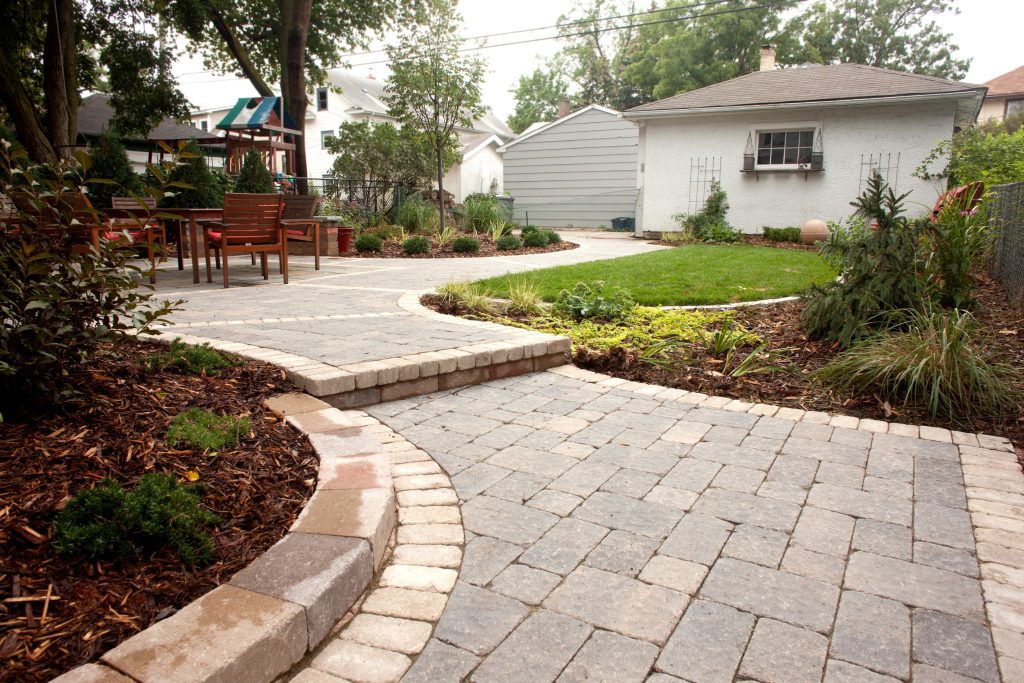
Materials such as natural stone, concrete, brick, or tile provide endless possibilities for customization. Natural stone, for example, offers timeless elegance with its unique textures and colors, while concrete allows for a sleek, modern look with endless finishing options. Tile coping can bring in intricate designs, adding a touch of sophistication and vibrant color to the pool’s edge. Each material has its own distinctive appeal, and the choice of color and texture should align with the style of the home, garden, and outdoor living area. The shape and style of the coping also play an important role in the overall design. While rectangular and square edges offer a more traditional, structured look, curved coping can create a more organic and flowing design, mimicking the natural movement of water visit https://www.finehomesandliving.com/home_design/elevate-your-outdoor-space-with-premium-pool-coping-and-stunning-porcelain-pavers/article_0ee906f6-9223-11ef-b086-ff76873028c5.html. This can enhance the pool’s interaction with the surrounding landscape, integrating it into the environment rather than making it appear as a separate entity.
In addition to enhancing the beauty and functionality of the pool, the right coping design can also improve the durability and maintenance of the pool area. For example, textured coping materials can help prevent slipping, especially around the pool’s edge, which can become slippery when wet. Coping that is resistant to UV rays will maintain its color and appearance over time, reducing the need for frequent maintenance. Moreover, the selection of materials that are easy to clean and resistant to staining ensures that the pool coping will look pristine for many years. Ultimately, pool coping is more than just a decorative element; it plays a significant role in creating a safe, functional, and beautiful outdoor space. By carefully selecting materials that blend function with beauty, homeowners can create a pool area that is not only visually appealing but also durable and easy to maintain. Whether opting for natural stone, contemporary tiles, or minimalist concrete, the right coping design can transform a simple pool into a stunning centerpiece of an outdoor retreat.