
Luxury travel to Africa from Australia is a long-haul commitment. Not “a bit far,” but two movies, a nap, and a mild existential crisis far. Which is exactly why the planning has to be sharper than the average holiday spreadsheet. When it’s done well, the trip feels effortless: private transfers that actually show up, lodges that nail the vibe, and days that unfold like a documentary, except you’re in it.
When it’s done badly? You’ll spend your “luxury safari” arguing with baggage handlers and wondering why your migration camp is closed for rains.
One line I live by:
A luxury Africa trip is logistics disguised as romance.
Bold take: don’t start with the lodge. Start with the season.
People love picking the prettiest camp on Instagram. I get it. But if you choose the wrong month, even the best property can’t fix empty game drives, washed-out roads, or humidity that makes linen feel like a mistake. That’s why, when comparing luxury Africa holiday packages, it pays to choose the right travel window before falling in love with a specific property.
Here’s the practical reality:
– East Africa (Kenya/Tanzania) generally shines in the drier stretch June, October, with the July, September window often delivering the famous river-crossing drama in the Serengeti/Mara ecosystem (timing varies year to year).
– Southern Africa (Botswana/Zambia/Zimbabwe/South Africa) often peaks June, August for concentrated wildlife around water and cooler conditions.
Now, this won’t apply to everyone, but if you’re chasing wildlife density and crisp photos, aim dry season first and negotiate everything else around it.
The “design brief” you should write before you book anything
This part feels a little corporate, but it saves you from an expensive, chaotic itinerary. You want a short document, half a page, that spells out your non-negotiables and deal-breakers.
Not poetic. Functional.
Include:
– Maximum flight pain you’ll tolerate (economy, premium, business, or “I refuse to sit upright”)
– Safari style: private vehicle vs shared drives, hardcore tracking vs relaxed viewing
– Trip pacing: move every 2 nights, or settle in and go deep
– Your “no thanks” list (kids camps, tents, too much driving, too many flights, early mornings… yes, you can say it)
– Budget band with a buffer for upgrades and weather pivots
In my experience, couples who skip this step end up with gorgeous accommodation… and an itinerary that feels like airport musical chairs.
Wildlife, culture, food: the trip works when those three talk to each other
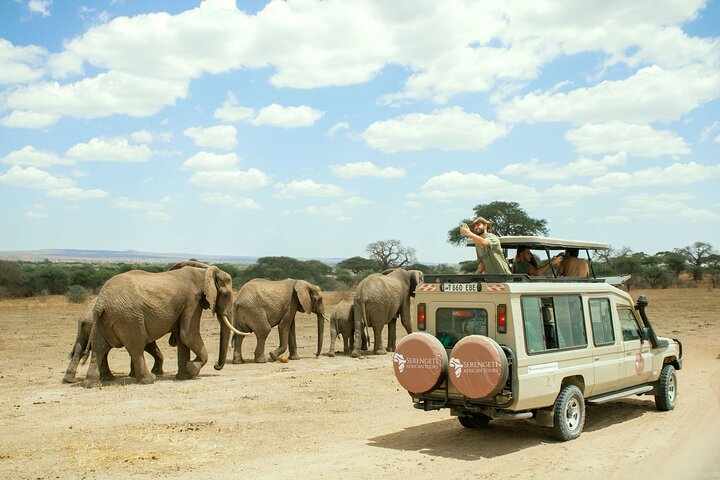
A lot of luxury itineraries stack game drives like a to-do list. Morning drive. Evening drive. Repeat. It’s fine, but it can get weirdly monotone, especially for Australians who’ve flown halfway around the planet and want something that feels alive, not just scheduled.
The trips that land best tend to run on three rotating “story engines”:
1) Wildlife storytelling
Not just sightings, but narrative. Predator-prey dynamics, tracking, ecology, conservation trade-offs.
2) Cultural immersion that isn’t performative
Think small-scale, consent-based, community-benefiting experiences, artist studios, markets with a fixer who knows everyone, culinary conversations with local chefs, heritage sites with proper interpretation.
3) Gastronomy that belongs to the place
Not “international menu with an African garnish.” Actual terroir. Seasonal produce. Regional techniques. Smart wine pairings where it makes sense (and a great gin/tonic where it doesn’t).
One-line truth:
If your meals could be served anywhere, your itinerary probably could be too.
Lodges & private guides: where the money should go (and where it shouldn’t)
Look, luxury lodges are wonderful. But luxury without access is just expensive comfort. The best properties pair comfort with the things that matter in the bush: location, guiding, and the ability to adapt.
What I’d vet like a hawk
– Guide quality and continuity: Will you have the same guide, or a rotating roster?
– Vehicle policy: Private vehicle means you control pace, photography stops, and bathroom breaks (yes, it matters).
– Tracker capability: In serious safari regions, trackers are the difference between “nice drive” and “how are we watching a leopard at golden hour?”
– Conservation model: Where does the lodge’s money actually go? Ranger salaries, habitat protection, community partnerships, ask specifics.
And don’t be shy about asking for details. A good operator won’t get defensive; they’ll get precise.
Flights and routing from Australia: the unglamorous backbone
A luxury trip from Australia lives or dies by routing. You’re typically looking at one-stop itineraries through hubs like Singapore, Doha, Dubai, or Johannesburg/Nairobi as gateways depending on region and airline.
Here’s the thing: minimizing connections beats chasing the “best” deal most of the time, because missed links in Africa can domino into lost lodge nights, often non-refundable.
A small technical note from the planning trenches: build buffers. Same-day tight connections look elegant on paper and blow up in real weather, real queues, real baggage systems.
A quick routing sanity check list:
– Keep long-haul + regional connections realistic (don’t cut it fine)
– Use airlines/alliances that protect onward travel if disruptions hit
– Prefer meet-and-greet + fast-track where airports are chaotic
– Coordinate lodge charter timings before you lock international flights (yes, sometimes the bush flight schedule dictates your arrival day)
A specific data point (because vibes aren’t enough)
If you’re weighing seasons partly on cost: safari pricing is not subtle about peak demand.
In Kenya, for example, the high season is commonly June, October and December, while low season often falls around April, May due to rains (with many operators offering reduced rates). Source: Kenya Tourism Board travel planning guidance and seasonal travel advisories (Kenya Tourism Board, access varies by year).
https://ktb.go.ke/
Rates and seasons shift by property and conservancy, but the pattern holds: weather + school holidays = pricing pressure.
Health, visas, insurance: the boring stuff that saves the trip
This section should be short, because the core message is simple: handle it early and properly.
Australians generally need:
– A passport valid 6+ months beyond travel dates (many countries enforce this)
– Visas depending on country (some eVisas, some on arrival, some advance only)
– Travel insurance that actually covers what you’re doing: safari drives, charter flights, medical evacuation, and high-value bookings
I’m opinionated here: if your policy doesn’t include medical evacuation, it’s not real coverage for remote safari travel. Read the limits. Check exclusions. Confirm pre-existing conditions in writing if relevant.
Vaccinations and malaria prophylaxis decisions should be made with a travel clinic that understands your exact routing (city + remote + length + season). Don’t crowdsource this from strangers online.
Responsible luxury (the version that isn’t a marketing brochure)
Responsible luxury isn’t “reuse your towel” messaging while the lodge flies in strawberries from across the planet. Real sustainability shows up in the operational decisions:
– Solar and battery systems that meaningfully reduce generator dependence
– Water stewardship (especially in arid areas)
– Local employment at senior levels, not just entry roles
– Community revenue-sharing that’s measurable
– Ethical wildlife standards (no baiting, no harassment, no captive “interactions” disguised as conservation)
Look, I’ve seen properties do this brilliantly, and I’ve seen others use the vocabulary without the substance. Ask for certifications if they have them, but also ask what they do when nobody’s watching.
Budgeting like a grown-up: spend on what you’ll remember
A good luxury budget isn’t “spend more.” It’s spend surgically.
My bias: allocate heavily to guiding, location, and seamless transfers. Spend less on generic add-ons you can do anywhere. That “special dinner” is only special if the setting and service match the story of the place.
A simple approach that works:
– Lock your signature experiences (private guiding, standout lodge locations, key flights)
– Leave a small flexible pool for upgrades (private sundowner site, chef’s table, helicopter hop, last-minute room category bump)
– Put a cap on “stuff” (souvenirs multiply faster than you think)
Waste isn’t just environmental. It’s also paying top dollar for experiences that don’t change the trip.
Booking windows & contingency planning (the part everyone underestimates)
Peak season and top-tier camps can sell out far ahead. For a well-built luxury itinerary from Australia, 6, 9 months ahead is a comfortable range; shorter can work in shoulder season, but you’ll lose choice.
Two practical habits I recommend:
1) Digital + paper backups of confirmations, insurance, passport copies, and emergency contacts
2) A Plan B day baked into the itinerary, light, local, flexible, so if weather or flights wobble, the trip doesn’t
Pack a small medical kit, carry power redundancy if you’re photographing seriously, and don’t assume you’ll “just buy it there” in remote regions (sometimes you can’t).
If you want one decision rule…
Pick the right season, then buy the best guiding and location you can afford, then engineer the transfers so you’re not exhausted when the magic shows up.
Because it will show up, lion tracks at dawn, smoke from a cooking fire in a village market, a perfect glass of South African red after a long drive, if the choreography behind the scenes is competent.
And that choreography is the whole game.