
Granite countertops have long been celebrated not only for their natural beauty but also for their substantial role in enhancing kitchen functionality. As a material, granite combines durability, practicality, and aesthetics in a way that few other countertop options can match, making it a top choice for homeowners seeking to improve both the look and the usability of their kitchens. The presence of granite countertops in a kitchen contributes significantly to the overall workflow, efficiency, and maintenance ease, which collectively boost the space’s functionality. Granite is a natural stone formed deep within the Earth’s crust, which makes it incredibly hard and resistant to scratches, heat, and stains when properly sealed. This means that in a busy kitchen environment where cutting, placing hot pots and pans, and spilling liquids are everyday occurrences, granite stands up to these challenges without losing its integrity or aesthetic appeal. Unlike other materials that might chip, crack, or wear down over time, granite countertops maintain a strong and stable surface that can handle the demands of regular cooking and food preparation, ultimately enhancing the kitchen’s functionality by providing a reliable workspace.
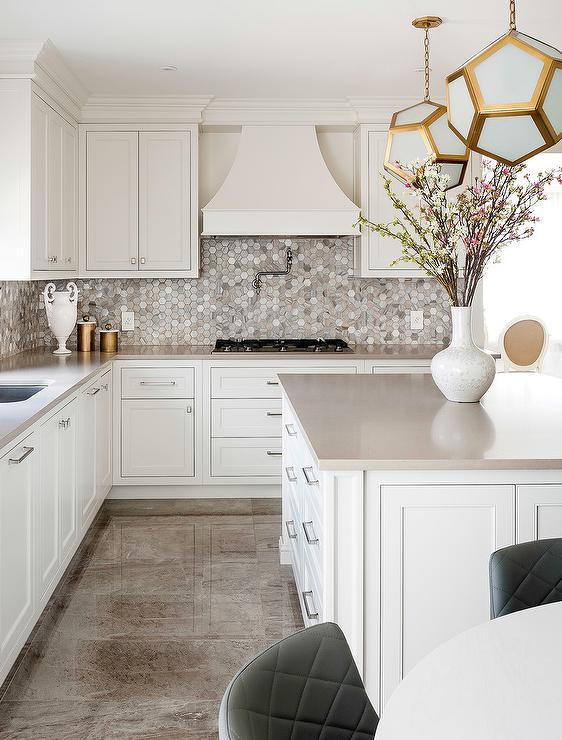
When granite countertops are sealed correctly, they become resistant to bacteria and mold growth, which is essential in a food preparation area. This resistance helps maintain a cleaner, safer environment for cooking and reduces the risk of contamination. The smooth, non-porous surface of well-sealed granite prevents spills from seeping into the stone, making cleaning simpler and more effective. This ease of maintenance means less time spent scrubbing and worrying about damage from harsh cleaning agents, allowing homeowners to focus more on cooking and entertaining. Granite countertops also contribute to functionality through their versatility, which indirectly influences kitchen workflow and organization. Available in a wide range of colors, patterns, and finishes, granite can complement almost any kitchen design, from traditional to modern. This variety allows homeowners to create a cohesive and visually appealing kitchen environment, which can positively impact how the space is used and browse now https://www.housebeautiful.com/design-inspiration/a42795149/granite-countertop-colors/. A well-designed kitchen with granite countertops often encourages better organization and flow, as the durability and beauty of the stone inspire homeowners to maintain a tidy and functional workspace.
Moreover, granite’s natural veining and unique patterns provide a one-of-a-kind look that can become a focal point, helping to define kitchen zones such as food prep, cooking, and serving areas. Functionality in the kitchen also benefits from granite’s ability to be customized to fit different layouts and needs. Granite slabs can be cut to accommodate various kitchen designs, including islands, breakfast bars, and integrated sinks. This adaptability means that homeowners and designers can tailor granite countertops to optimize space usage and workflow, ensuring that every inch of the kitchen serves a purpose. The seamless integration of granite in different kitchen zones supports multitasking and smooth transitions between cooking, prepping, and cleaning activities. Granite countertops play a crucial role in boosting kitchen functionality by offering a durable, hygienic, versatile, and customizable surface that stands up to the rigors of daily cooking and food preparation. Their natural beauty and practical advantages help create an efficient, attractive, and easy-to-maintain kitchen environment, making granite a preferred choice for those looking to enhance both the form and function of their kitchen spaces.