
Production timelines in modern manufacturing rely heavily on the precision and efficiency brought by dependable CNC machining combined with streamlined workflow processes. CNC machining, which stands for Computer Numerical Control machining, has revolutionized the way components are manufactured by enabling highly accurate and repeatable production. When integrated into a well-organized workflow, CNC machining ensures that products are completed on schedule without compromising quality. One of the primary benefits of CNC machining in meeting production timelines is its ability to execute complex designs with minimal human error. The automation inherent in CNC machines reduces the need for manual intervention, which often leads to delays and inconsistencies. Once the machine is programmed, it can operate continuously with high precision, producing parts that meet exact specifications. This level of consistency eliminates rework and scrap, which are common sources of production delays in traditional machining methods.
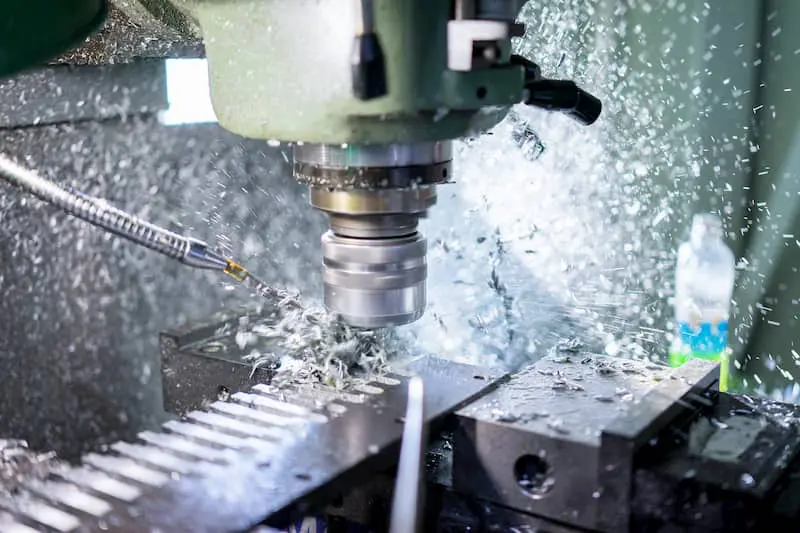
When design changes are needed or customized orders arise, adjustments to CNC programs can be made quickly without the need for retooling. This adaptability accelerates the transition from prototype to full-scale production, reducing lead times significantly. The ability to rapidly adjust and produce parts helps manufacturers respond swiftly to market demands and customer requirements, keeping production timelines tight and predictable. Streamlined workflow processes complement the precision of CNC machining by organizing each stage of production efficiently. Workflow optimization involves coordinating design, machining, assembly, quality control, and shipping in a manner that minimizes bottlenecks and downtime. For instance, integrating computer-aided design CAD and computer-aided manufacturing CAM software with CNC precision machined parts suppliers allows seamless data transfer, reducing manual data entry and potential errors.
Effective scheduling and resource management are also critical components of a streamlined workflow. By accurately forecasting machine availability, material supplies, and labor capacity, manufacturers can plan production runs that maximize machine uptime and minimize waiting periods. This planning ensures that CNC machines are utilized to their fullest potential, preventing idle time that could push deadlines back. Additionally, continuous monitoring and real-time adjustments to the workflow help address unforeseen issues quickly, maintaining smooth progress toward completion. Quality control processes integrated into the workflow play a significant role in adhering to production timelines. Automated inspection tools and measurement systems can be incorporated alongside CNC machines to verify parts during or immediately after machining. Early detection of defects allows for immediate corrections, preventing flawed components from progressing further down the production line.
Another aspect that contributes to dependable production timelines is effective communication and collaboration among all departments involved. Clear communication channels between design engineers, machinists, quality inspectors, and logistics teams foster a shared understanding of production goals and potential challenges. Collaborative problem-solving and continuous feedback loops help identify inefficiencies early and implement improvements swiftly. When every team member is aligned, the entire production process becomes more predictable and efficient. In summary, dependable Uneed CNC machining combined with streamlined workflow processes significantly enhances the ability to meet demanding production timelines. CNC technology delivers precision and flexibility, while optimized workflows ensure efficient coordination of resources and activities.