
In the modern industrial world, efficiency, reliability, and precision are key to achieving consistent productivity. Pneumatic systems powered by compressed air have become an essential part of this evolution. These systems play a major role in automating operations, reducing downtime, and ensuring safe and effective performance across multiple sectors. Their simplicity and adaptability make them one of the most trusted technologies in industrial environments today.
Understanding The Power Of Pneumatic Systems
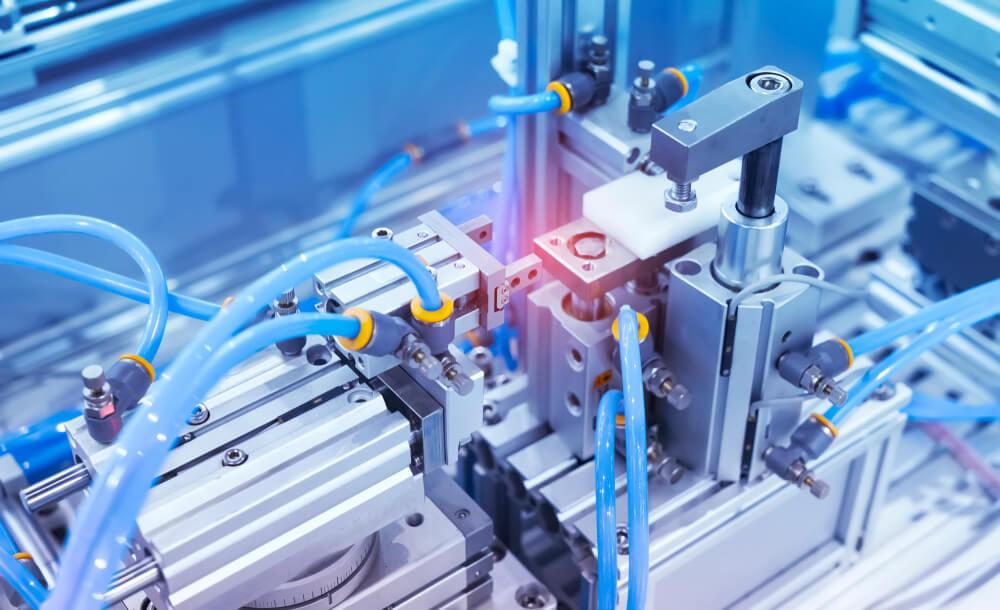
Pneumatic systems use compressed air to generate mechanical motion and control various processes. They are widely applied in assembly lines, packaging, manufacturing, and automation systems due to their dependability and clean operation.
Key advantages of pneumatic systems include:
- Reliable performance with minimal maintenance requirements
- Clean, safe, and environmentally friendly energy source
- Cost-effective setup and operation
- Quick and efficient motion control for precise applications
- Durable and long-lasting components designed for heavy-duty use
These advantages make pneumatic systems a preferred choice in industries that value both performance and sustainability.
Enhancing Industrial Efficiency Through Automation
Automation powered by pneumatics leads to faster production cycles and improved quality control. Pneumatic actuators, cylinders, and valves work together to ensure precise and repeatable movements that minimize errors and boost efficiency.
Efficiency-driven features include:
- Consistent operation: Ensures uniform output and reduces human error.
- Fast response time: Delivers quick start-and-stop actions for continuous production.
- Reduced energy waste: Compressed air systems are optimized for low power consumption.
- High adaptability: Can easily be integrated into existing mechanical or automated setups.
By automating repetitive tasks, industries can achieve greater accuracy, lower costs, and higher throughput ultimately enhancing productivity at every stage.
Promoting Safety And Reliability In Operations
One of the most important benefits of pneumatic systems is their safety profile. Since these systems use air rather than electricity or hydraulic fluid, the risks associated with sparks, leaks, or contamination are significantly reduced.
Safety and reliability highlights:
- Operates safely in hazardous or explosive environments
- Resistant to temperature fluctuations and harsh conditions
- Minimal risk of equipment damage or operator injury
- Requires limited maintenance compared to hydraulic alternatives
This reliability ensures continuous operation, which is vital for industries that depend on precision and uptime.
Innovation And Sustainability In Pneumatic Technology
With ongoing advancements, pneumatic definition are becoming more energy-efficient and intelligent. Smart sensors, air management systems, and digital monitoring are helping industries track performance in real time while reducing air consumption. These innovations align with modern sustainability goals and operational excellence.
Emerging trends include:
- Integration with smart factory and IoT systems
- Advanced energy recovery and air efficiency solutions
- Compact, lightweight designs for greater flexibility
- Environmentally friendly components and lubricants
Conclusion
Pneumatic systems have revolutionized modern industries by combining efficiency, safety, and sustainability. Their adaptability and low-maintenance design make them ideal for today’s fast-paced manufacturing and automation environments. As technology continues to advance, pneumatic systems will remain at the heart of industrial innovation driving productivity and ensuring a cleaner, safer, and more efficient future.