
Advancements in prosthetic technology are transforming the lives of amputees, offering unprecedented levels of comfort, mobility, and independence. Through the integration of cutting-edge materials, biomechanical engineering, and smart technology, modern prosthetics are no longer just replacements for lost limbs they are powerful tools that enhance physical abilities and enrich the quality of life for their users. Today’s prosthetic limbs are lightweight, durable, and tailored to the specific needs and lifestyles of each individual, allowing for a personalized experience that promotes confidence and autonomy. One of the most significant breakthroughs in prosthetic development has been the incorporation of advanced sensors and microprocessors that mimic natural limb movement. These bionic limbs are capable of interpreting muscle signals and adjusting to different terrains and activities, enabling users to walk, run, or even climb stairs with ease and stability. Intelligent systems learn from the user’s habits and environments, offering seamless adaptability and smoother motion. This level of responsiveness not only increases functionality but also reduces strain and fatigue, allowing amputees to engage more freely in daily activities and pursue their passions.
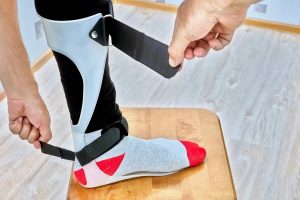
Equally important is the focus on comfort and fit. Innovations in socket design the interface between the prosthetic and the residual limb have significantly improved user experience. Custom-fit sockets made using 3D scanning and printing technology ensure an exact match to the user’s anatomy, minimizing pressure points and enhancing comfort throughout the day. Advances in materials, such as silicone liners and flexible composites, contribute to a more breathable, skin-friendly interface, reducing irritation and promoting long-term wearability. Another inspiring development is the growing integration of neural interface technology, which enables users to control prosthetic limbs with their thoughts. This mind-controlled functionality offers a new realm of possibility, especially for upper-limb amputees, allowing for more precise and intuitive movement. Such innovations not only restore physical ability but also restore a sense of agency and control, which plays a crucial role in emotional and psychological well-being.
The social impact of advanced prosthetics is equally profound. Enhanced mobility empowers amputees to return to work, participate in sports, and engage with their communities with renewed confidence. Children with limb differences can grow up active and self-assured, participating in play and learning with minimal limitations. Veterans, accident survivors, and others who have faced limb loss are finding renewed hope through technology that helps them regain independence and reclaim their lives. Moreover, the affordability and accessibility of these technologies are gradually improving thanks to ongoing research, nonprofit initiatives, and public-private partnerships. More individuals around the world are gaining access to high-quality prosthetic care, breaking down barriers that once limited opportunity and inclusion. In essence, modern prosthetic technology is not just about replacing what was lost it is about enhancing life. Through innovation, compassion, and collaboration, we are entering an era where limb loss no longer means the loss of potential.